
Channel Strategies for Light Industrial Products Entering Australian Retail
Growth Treasure's practical observations on channel segmentation and compliance access.
2026-05-08
Chinese hardware, homewares and consumer goods entering Australian wholesale and supermarkets requires a layered understanding of channel access, labelling compliance and test sales cadence. Growth Treasure shares these observations from import distribution practice.
Channel Tiering Strategy
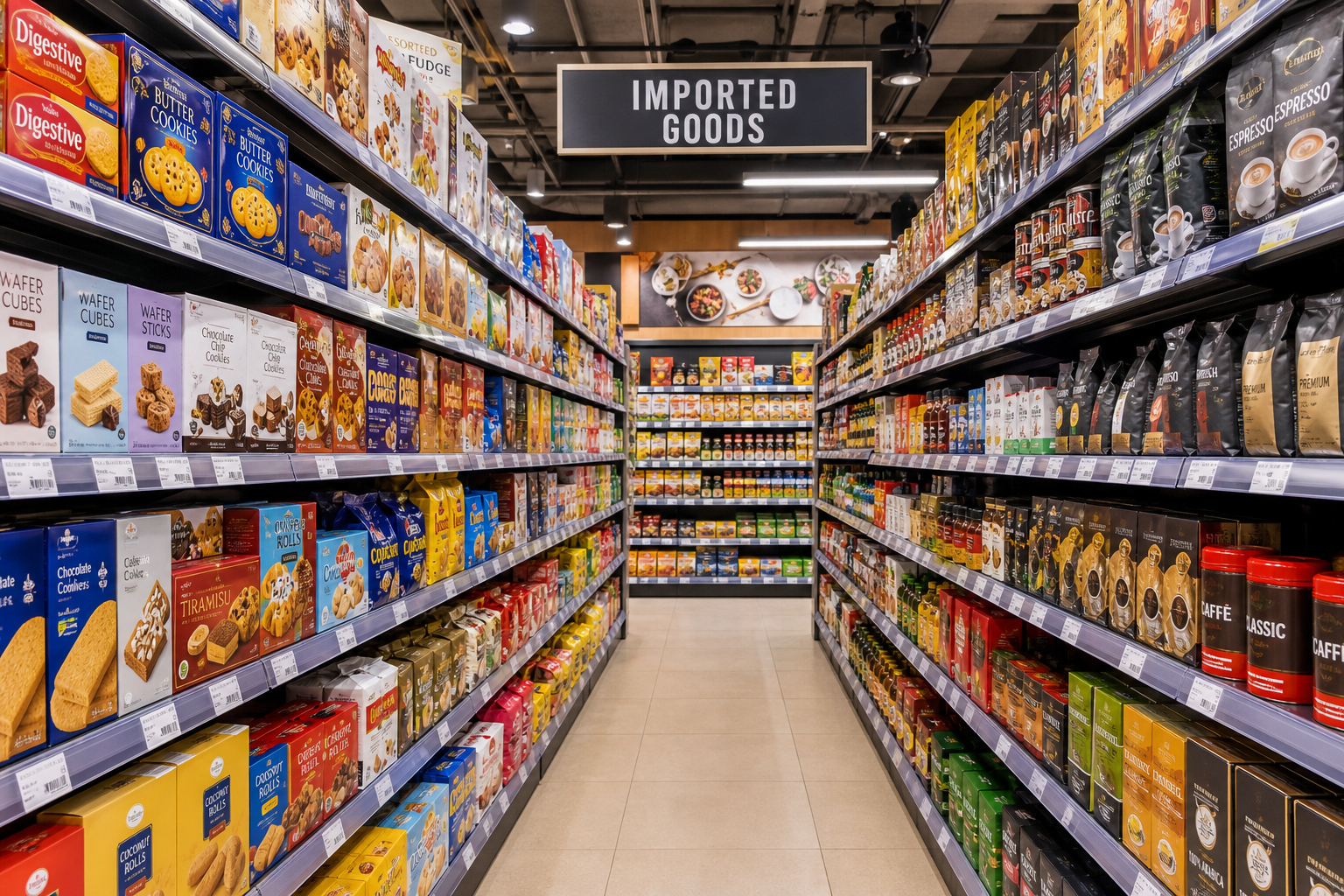
The Australian market is not a single "supermarket" concept. Chain supermarkets, regional wholesalers, building materials chains and e-commerce platforms each have their own SKU, barcode, warranty and promotional rules. Entry strategy should distinguish between "wholesale test sales first" and "direct supermarket supply" in terms of resource investment.
We recommend using Melbourne-Sydney dual-hub warehousing to reduce replenishment delays. Keep the first batch of SKUs within a trackable range to avoid excessive distribution causing unsold stock and amplified recall risk.
Compliance and Labelling
Products must comply with relevant AS/NZS standards and labelling requirements. Electrical items, children's products and similar are strictly regulated. The importer, as the responsible party, must establish batch traceability and recall procedures.
Growth Treasure assists in understanding buyer checklists but does not replace certification body testing.
Pricing and Contracts
FOB/CIF selection is linked to exchange rates and shipping cycles. Contracts should specify quality dispute inspection locations and claims windows. Avoid verbal price reductions without written supplementary agreements.
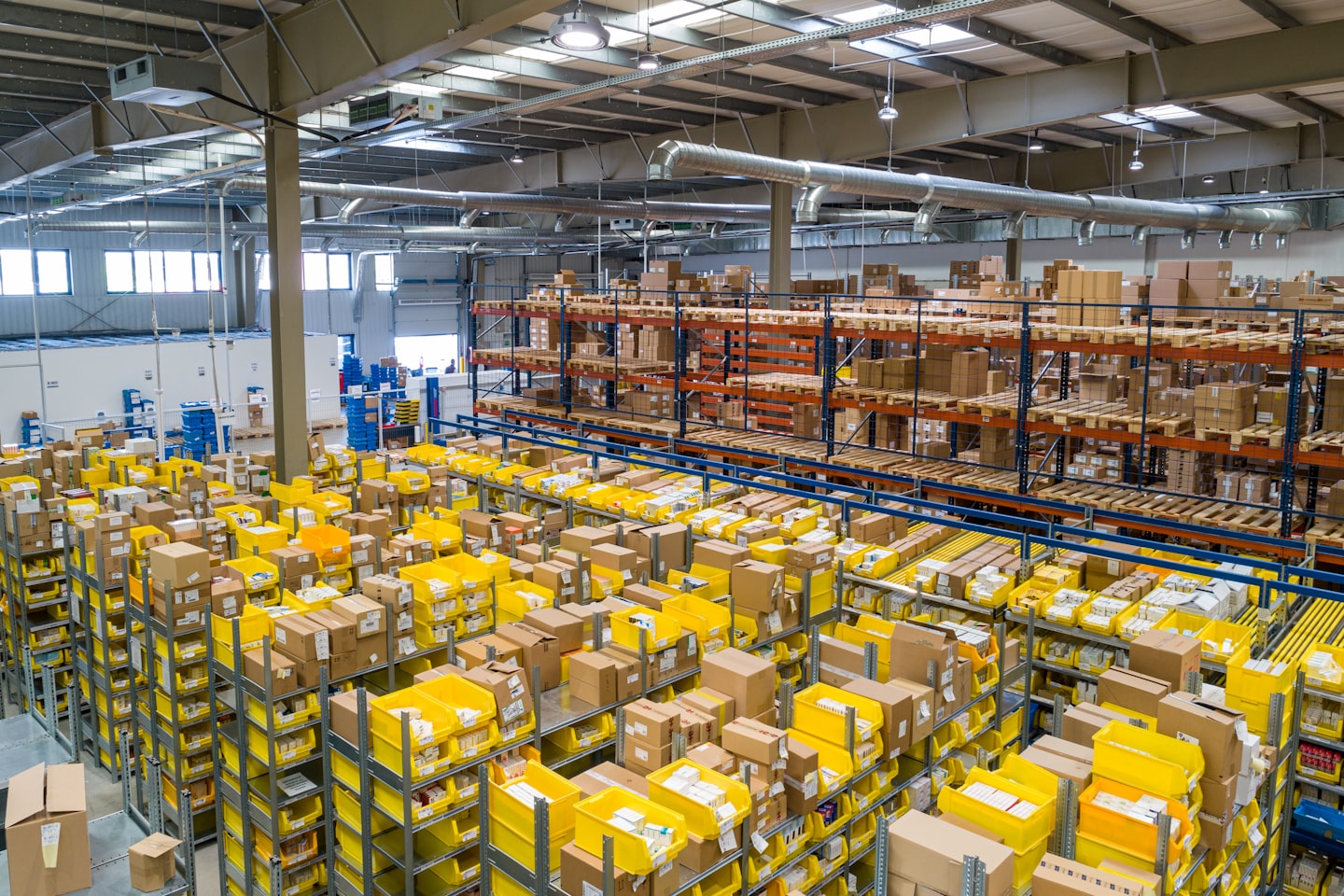
Channel access often determines SKU viability earlier than pricing does.
Risk Control Points
Beware of "zero-barrier supermarket entry" claims; legitimate buyers have supplier audits and factory inspection processes. Retain third-party inspection and marine insurance records.
Practical Recommendations
Email service@growthtreasure.com with your SKU list and packaging images to receive a wholesale channel discussion topic template.
Growth Treasure Observations
The most common failure point in import distribution projects is not "nobody is buying" but Australian standards non-compliance, barcode errors and replenishment gaps. We recommend completing the buyer checklist pre-review before the first container, and feeding back Australian return reasons to the factory monthly.
Building materials and homewares SKUs must not be stored with food. If the channel also handles food, stricter warehousing and transport isolation requirements apply.
Australian Supermarket Tiers and Entry Differences
National chains, regional chains, independent supermarkets, and building material superstores have different requirements for SKU count, payment terms, promotions, and return clauses. Hardware and homewares entering building material channels may require additional product liability insurance and installation instructions; entering food-related sections triggers entirely different compliance. Growth Treasure recommends locking in 1–2 channel types for trial sales before expanding horizontally.
Price Bands and Packaging Specifications
Australian consumers are sensitive to "value perception": oversized packaging may lead to slow turnover, while undersized packaging drives up logistics costs per unit. Trial sales should test 2–3 price bands and package sizes, tracking turnover days rather than just initial order volume.
Further Discussion
If you are planning hardware or homewares SKUs for entry into Australian wholesale or supermarkets, we recommend your first email include packaging images and intended channel type. We can reply with a buyer common-issues checklist.
Channel Tiering
Chain, wholesale, building materials and e-commerce each have different rules.
SKU Control
Keep first batch within a trackable range; avoid excessive distribution.
Australian Standards Labelling
Importer bears product safety and recall principal responsibility.
Test Sales Data
Stock turn days are more telling than first-order volume.