

VIC Residential & Commercial Property
For partners looking to allocate real estate assets in Victoria.
VIC residential and commercial property investment liaison serves partners interested in acquiring real estate in Melbourne and surrounding areas. Growth Treasure assists with pre-investment communication, information collation and structural discussions.
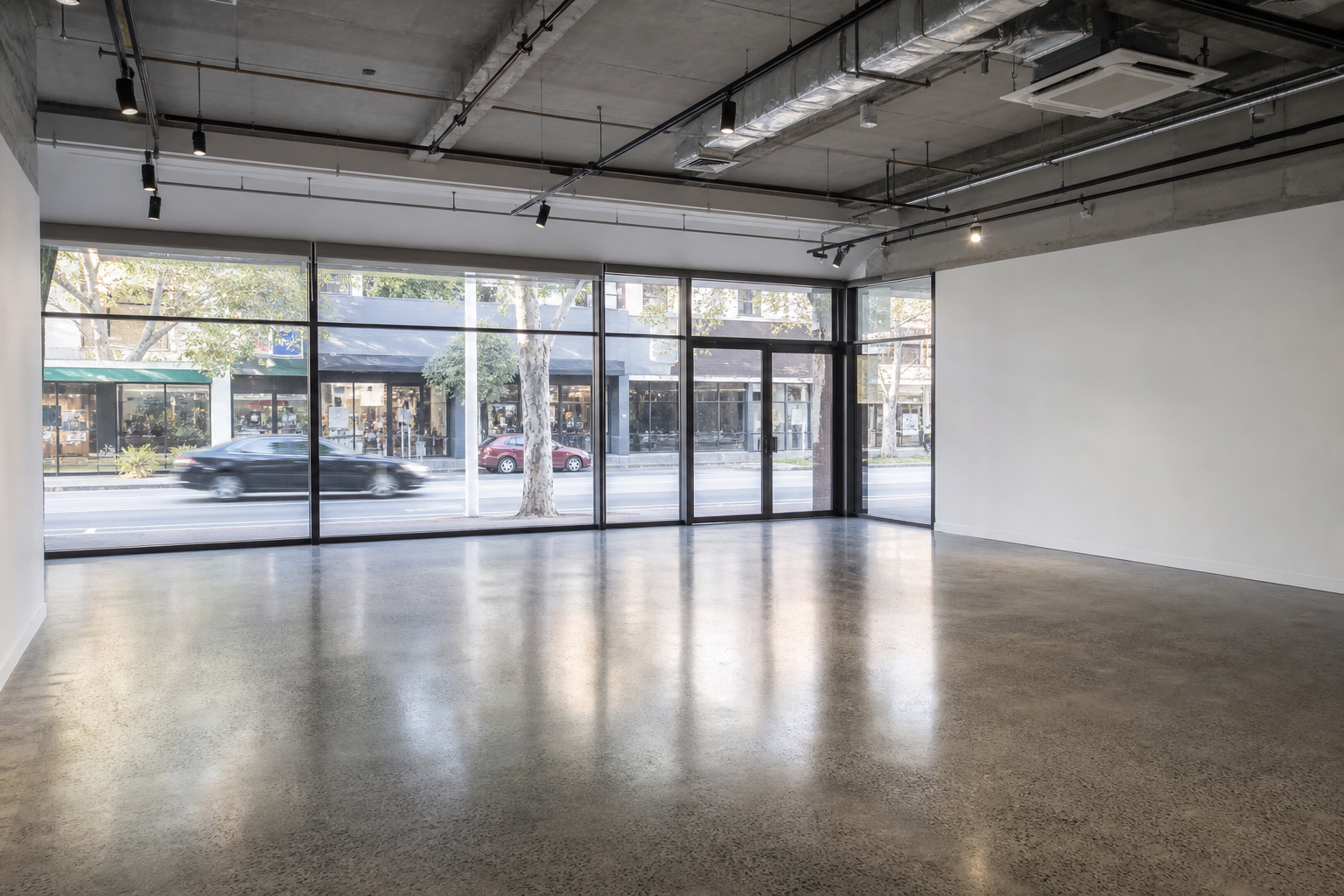

Residential vs Commercial Differences
Residential focuses on rental yield, vacancy rates, school zones and maintenance costs. Commercial focuses on lease length, tenant industry, outgoings allocation and capitalisation rates. Due diligence checklists and financing structures differ between the two asset types.
Areas and Types
Box Hill and surrounding Chinese communities are well-known to us. We can also discuss CBD office, suburban retail or industrial warehouse types based on the partner's strategy, but we do not recommend specific properties as "must-buy" suggestions.
Due Diligence Considerations
Title, encumbrances, leases, body corporate fees, maintenance funds and planning restrictions must be verified by a lawyer. We assist in compiling question checklists and meeting records.
Joint Investment Structure
Joint investments require clear equity ratios, decision-making mechanisms, exit pathways and dispute resolution. Avoid verbal partnerships without written agreements.
Integration with Setup Consulting
If investment accompanies entity establishment or employment needs in Australia, this can be combined with the consulting-setup line.
Getting Started
Please email indicating residential/commercial preference, budget range and whether you need a property inspection itinerary arranged.
Residential vs Commercial Property Differences
Residential investment requires attention to: zoning, lending policies, rental management, and maintenance. Commercial property requires attention to: remaining lease term, rent escalation clauses, outgoing apportionment, tenant industry, and capital expenditure (roof, lifts, fire systems). Growth Treasure can assist in collating publicly available information and agent materials—we do not assess rental yields or capital growth.
Due Diligence Checklist Example
Recommended items to collect: Title, lease agreements, engineering reports, insurance records, council rates, maintenance fund statements, and existing tenant financial profiles (where obtainable). For Chinese investors, capital pathways must also be assessed under foreign exchange and tax professional guidance.
Joint Investment and Intermediary
When multiple parties jointly acquire, decision mechanisms and exit handling for any single party must be agreed in advance—avoid relying solely on chat group records. If introduced through Growth Treasure as intermediary, fees and scope must be documented in the intermediary agreement.
Property investment risk often lies in lease details and maintenance expenditure, not the yield figures on marketing brochures.
Property Inspection Booking
Inspections require advance booking and signing of necessary confidentiality or liability waivers.
Lease Fundamentals
Cash flow models must be grounded in the lease text, not verbal assurances.
Capital Expenditure
Roof, lift and fire system upgrades can erode short-term returns.
Joint Investment
Equity, decision-making and exit must be agreed in writing.
Lawyer-Led
Title, encumbrances and planning verified by lawyers.