
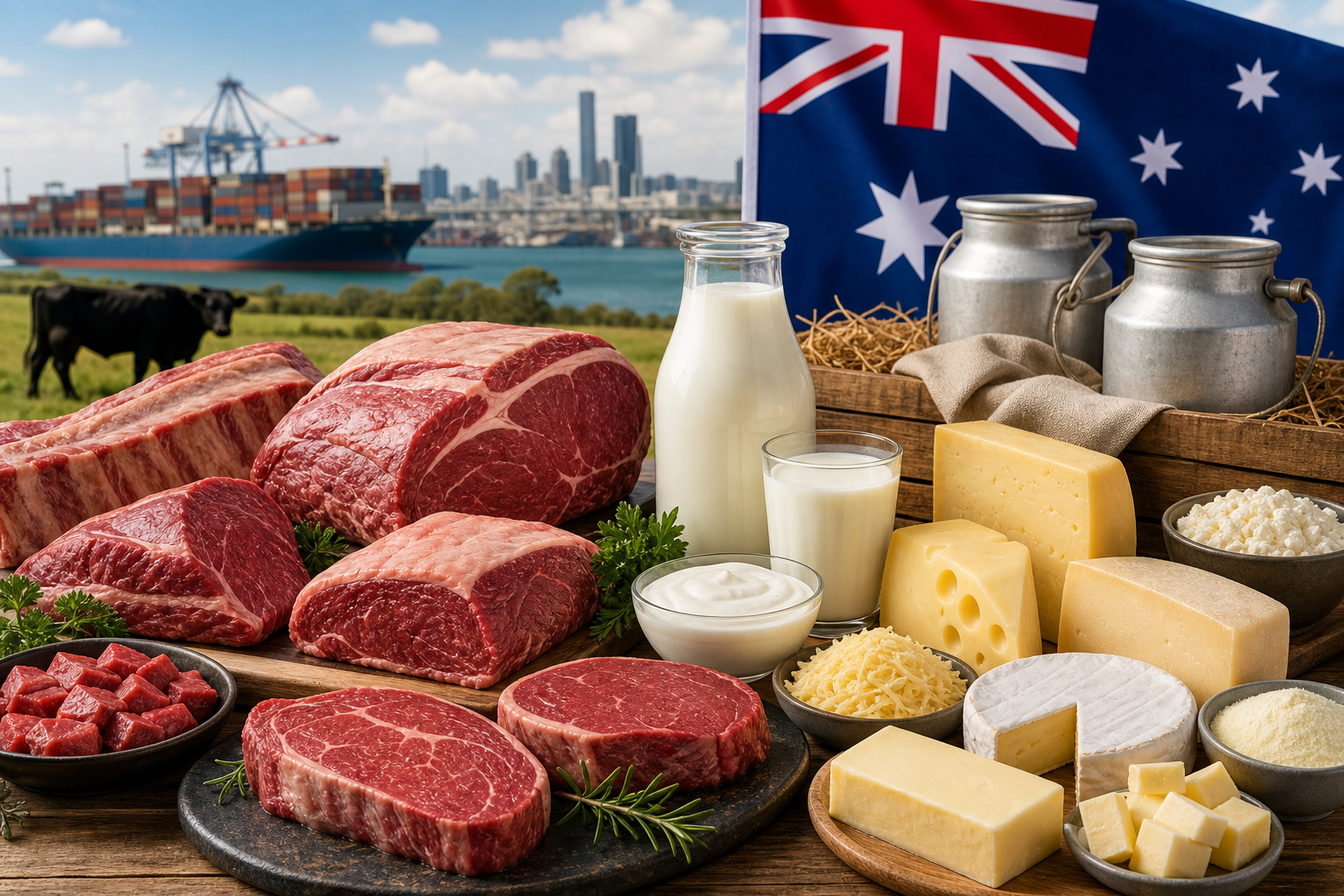
Australian Exports to China
Connecting origin, logistics, and China-bound channels within a compliance framework.
Growth Treasure assists with Australian beef and lamb, dairy, wine, health supplements, wool and agricultural commodities to complete origin screening, inspection batches, cold chain logistics and China-channel coordination within a compliance framework. We clearly identify registration and approval responsibilities the client must fulfil independently.
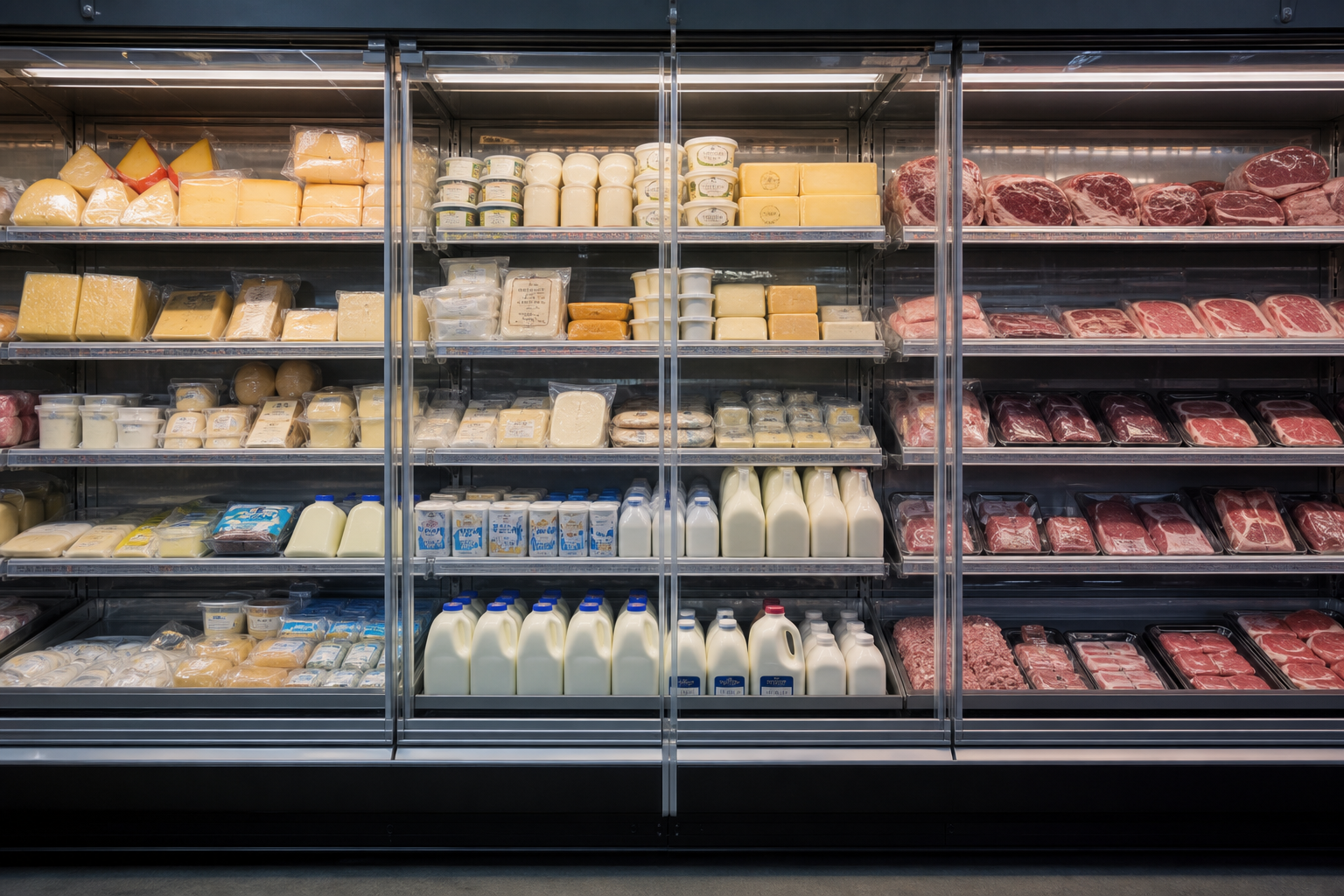
Export Category Scope
Beef and lamb requires attention to farm registration, abattoir qualifications, frozen cold chain continuity and updates to the China-access list. Dairy emphasises batch inspections and temperature control records. Wine involves Chinese-language label compliance, ingredient and origin certificate consistency. Health supplements must distinguish between Australian TGA and Chinese registration requirements. Wool and agricultural commodities focus on specifications, quarantine and packaging protection.
We establish checklists by category to avoid using a wine template for a cold chain meat project.
Origin and Supplier Screening
We assist with collecting origin certifications, quality system certificates, historical shipment records and sample specification sheets, organising small-batch test sales before discussing annual contracts. We make no promises of "guaranteed supermarket entry".
- Farm/processor/winery qualifications
- Specifications and packaging proofs
- Third-party inspection arrangements
- Sample dispatch and signed receipt
China Registration and Labelling
China registration, label filing, health certificates and similar are led by the client or specialist agencies. Growth Treasure coordinates timeline and materials checklist alignment, reducing rejections caused by translation or version errors.
Logistics and Inspection Batches
Booking, bill of lading, commercial invoice, packing list, certificate of origin, inspection certificates and other documents must be version-consistent. Cold chain equipment and arrival inspection windows should be pre-communicated to avoid batch misalignment.
Channels and Test Sales
We understand China's tiered channel differences, helping set test sales volumes, pricing discussion boundaries and feedback cycles. Test sales results serve as the basis for scaling.
Project Launch
Please email indicating category, target province/channel type, estimated first-batch volume and timeline. The Box Hill team will arrange a meeting with the relevant colleague.
Key Points for Beef and Lamb Exports
Frozen beef and lamb exports to China require attention to: Australian abattoir China-registered list status, health certificates, inspection batch and production batch correspondence, and continuous cold chain records. Any chain-break dispute carries high resolution costs. Growth Treasure recommends completing a "batch–container–certificate" three-dimensional cross-reference table before the first shipment, and confirming with the Chinese importer's agent regarding current port inspection priorities.
Dairy and Temperature-Controlled Goods
Dairy products require reverse-calculating production, inspection, shipment, and arrival clearance timelines to avoid insufficient shelf life. Temperature records should cover four segments: factory cold storage, port consolidation, sea freight reefer container, and arrival cold storage. Summer sailings require assessing transit temperature risk, potentially adjusting routes or reducing transit times.
Wine and Spirits
Chinese back labels, ingredients, alcohol content, region of origin, and batch numbers must align with invoices, bills of lading, and inspection certificates. Claims of organic, low-alcohol, or additive-free status require supporting evidence. We recommend completing label pre-review and small-batch trial sales before signing annual framework agreements; refer to the industry insight on "Wine labelling for China export."
Health Supplements, Wool, and Agricultural Raw Materials
Health supplements require distinguishing between Australian TGA and Chinese market regulatory requirements—dual registration pathways are client-led. Wool focuses on specifications (micron, length, scoured yield) and sample consistency. Agricultural raw materials concern quarantine, moisture-proof packaging, and transport protection. Documentation templates must not be shared across categories.
The core of Australian exports is batch consistency and label authenticity; any shortcut will be amplified into cost at port.
Export Materials Checklist
For your first consultation, please attach product specification sheets and known registration status so we can assess the pathway length.
Category Filing
Beef and lamb, dairy, wine, health supplements each filed separately.
Batch Traceability
Inspection lots, shipment batches and document versions cross-checked.
China Registration
Registration and labelling led by client; we coordinate timelines.
Test Sales Cadence
Small batches validated through port feedback before signing framework agreements.